Asia has always carried the weight of feeding nearly half the planet. But today, it’s doing far more than that it’s redefining the future of agritech itself. As we move toward 2026, Asia’s agricultural evolution offers some of the most practical, scalable, and impactful innovations in the world.
Countries like India, Thailand, Vietnam, and Indonesia are not simply adopting technology; they are reshaping it to fit complex ecosystems, fragmented markets, and diverse cultural landscapes. Their success teaches the world that the future of agriculture doesn’t depend on massive budgets or perfect infrastructure it depends on inclusivity, adaptability, and intelligent design.
This is why global agritech leaders are turning their gaze toward Asia.
1. Asia’s Agritech Rise: Innovation Born Out of Necessity
Unlike Western agritech, which grew in uniform, well-funded environments, Asia’s agritech movement has emerged from:
-
Fragmented land holdings
-
Multi-tier distribution chains
-
Climate variability
-
Young, tech-ready rural demographics
-
Government-led agri modernization
-
Rapid digitization of rural markets
This combination has created an environment where innovation must be fast, frugal, and scalable and that’s exactly what Asia is delivering.
Asia’s agritech is not theoretical; it is pragmatic, ground-tested, and impact-focused.
2. India: Mastering Digital Distribution & Agri Ecosystem Platforms
India is building what many experts call the world’s most complex agricultural distribution network powered by digital systems.
What India teaches the world:
✔ Agri distribution is the real engine of transformation
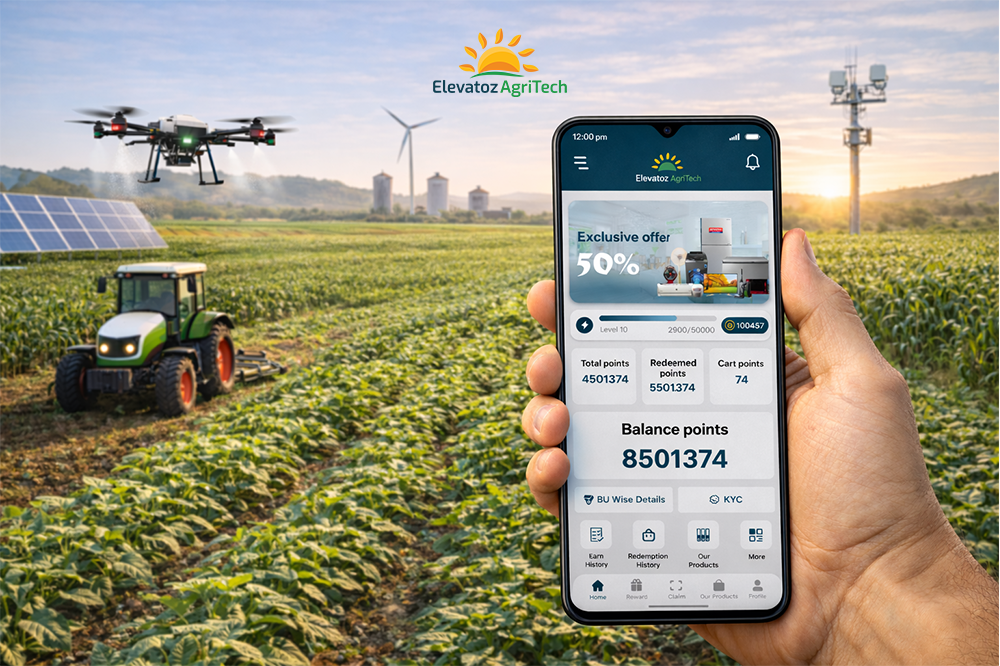
Through loyalty platforms, digital retailer engagement, channel gamification, geotagged dealer networks, and AI-powered sales forecasting, India has demonstrated that the last-mile is where real agritech ROI is created.
✔ Farmer engagement must be hyperlocal and multilingual
India’s success lies in designing content, interfaces, and advisory systems that adapt to hundreds of languages, dialects, and microcultures.
✔ Agritech works best when it connects farmers and channel partners
Unlike many global markets that focus on farmers alone, India’s integrated ecosystem approach is creating sustainable modernization.
India is not following global trends it is setting them.
3. Thailand: Leading the World in Traceability & Food Safety Technology
Thailand’s agricultural exports shrimp, fruits, rice are some of the most trusted globally because the country pioneered traceability as a national strategy.
What Thailand teaches the world:
✔ Traceability is a competitive advantage, not a compliance requirement
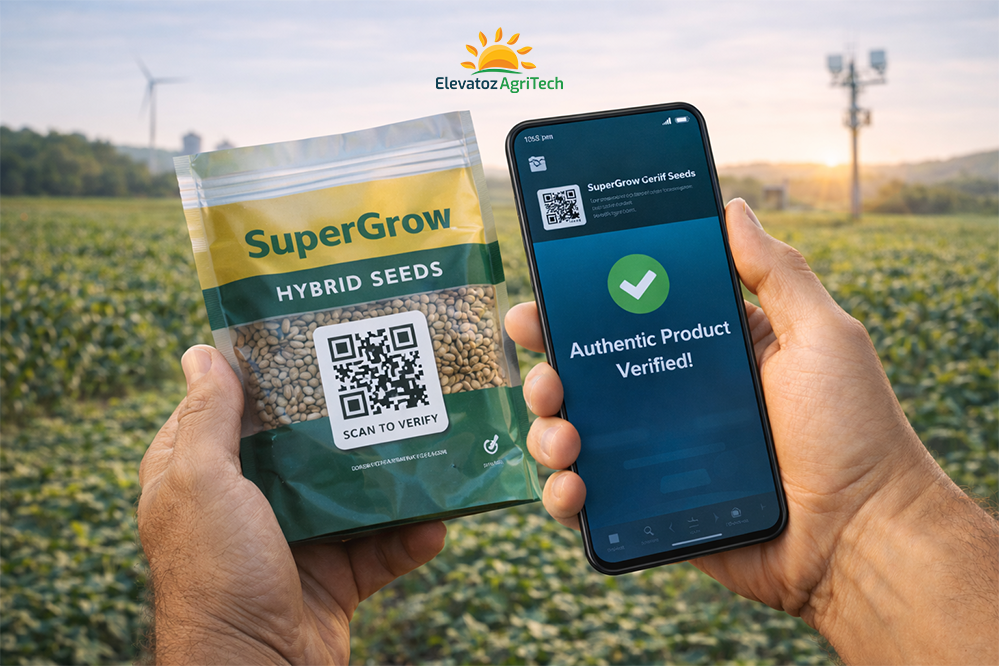
QR codes, blockchain pilots, digital transport logs, and GPS-enabled quality checks help Thailand guarantee product safety end-to-end.
✔ Government alignment accelerates mass adoption
Thailand’s centralized approach proves that policy support can dramatically speed up technological transformation.
✔ Transparency builds global market credibility
Thailand demonstrates that trustworthy traceability systems open doors to premium international markets.
4. Vietnam: Precision Farming That Works in Smallholder Economies
Vietnam’s agritech model is proof that precision agriculture doesn’t require vast landholdings or expensive Western equipment.
What Vietnam teaches the world:
✔ Precision tech must be modular and adaptable
Drones, IoT-based irrigation, soil sensors, and satellite analytics are customized for Vietnam’s smaller farms making them affordable and scalable.
✔ Collaboration drives transformation
Vietnam’s success comes from tight integration between cooperatives, exporters, agritech startups, and government agencies.
✔ Value-chain upgrades create national-level results
From coffee to pepper to rice, Vietnam’s tech-enabled value chains are producing global export competitiveness.
5. Indonesia: Mobile-First Agritech for a Multi-Island Nation
Indonesia’s unique geography 17,000+ islands forces innovation to be decentralized yet connected.
What Indonesia teaches the world:
✔ Mobile-first platforms scale fastest in rural economies
WhatsApp-led engagement, simple UI/UX, voice-based coaching, and AI-driven advisory systems enable rapid farmer adoption.
✔ Community-led networks grow faster than corporate-led programs
Leveraging cooperatives, local influencers, and grassroots leaders creates organic, trust-powered adoption.
✔ Distribution innovation is as important as farming innovation
Indonesia shows that solving logistics, payments, and local fulfillment unlocks greater value than solving farming productivity alone.
6. Asia’s Shared Strength: High-Impact Innovation at Low Operational Cost
Across these four nations, the same truth keeps emerging:
Asia’s agritech model is designed for affordability, inclusion, and massive scale.
This includes:
-
Low-cost IoT devices
-
Digital loyalty systems for agri distribution
-
Gamified engagement for channel partners
-
Multilingual advisory tools
-
Community-driven adoption models
-
Government-supported digital platforms
-
Simplified mobile-first apps
Where Western agritech can be infrastructure-heavy, Asia proves that smart design beats high-tech cost.
7. What the World Must Learn from Asia by 2026
The agritech world is shifting, and Asia is shaping that shift through five powerful lessons:
1️⃣ Make technology inclusive, not elite
If it doesn’t work for the smallest farmer or the smallest shop, it won’t scale.
2️⃣ Solve distribution before solving production
A modern distribution layer multiplies the impact of every other intervention.
3️⃣ Let culture and behavior drive technology design
Agri tech must fit people not the other way around.
4️⃣ Innovate with simplicity
Asia proves that effective agritech doesn’t need to be complicated to be transformational.
5️⃣ Build ecosystems, not individual tools
Collaboration between government, community, and industry accelerates adoption.
Conclusion: Asia Isn’t Following Agritech Trends It’s Creating Them
As we head toward 2026, one thing is unmistakably clear:
Asia is becoming the world’s agritech classroom.
-
India is redefining distribution intelligence.
-
Thailand is mastering traceability and food safety.
-
Vietnam is proving precision farming can be smallholder-friendly.
-
Indonesia is building mobile-first farmer ecosystems at scale.
Together, they form a blueprint for the future of global agriculture
one that is inclusive, adaptive, affordable, and deeply human-centered.
Asia is not catching up.
Asia is leading.
And the rest of the world is beginning to take notes.